

1945-1976
Post-war years of recovery
The devastating effects of World War II meant people suffered severe food shortages and protein deficiency.
- 1945
- 1945
- 1947
- 1950s-
- 1950
- 1952
- 1953
- 1960
- Next
The end of World War II
An urgent need to produce more food
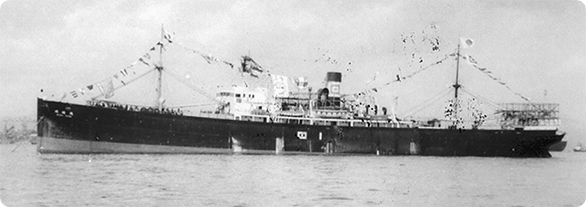
Just eight days after the end of the war, a bold plan for building a substantial number of fishing vessels was decided upon, with the aim of delivering food to the starving nation as soon as possible.
Began trawling and high-sea tuna fishing
With 99% of business lost due to the defeat in the war, sought new ways to fish and revive the company's fortunes. Worked tirelessly on reconstruction and starting anew, despite the hardships of leaving the primary business behind.
Opened a fisheries and production base in various parts of Japan, including the Ishinomaki Factory, for producing dried bonito. It also expanded the onshore processing division.
Established a nationwide seafood supply system and wholesaler
Built a seafood distribution network that covered major fishing ports and markets in various parts of Japan with the aim of delivering quality, seafood-derived protein throughout the country. Also began the collection and stable supply of seafood by incorporating the elements needed as a fisheries base, from transport to ice making, and cargo work. The company's logistics business still plays a significant role in the distribution of seafood in Japan.
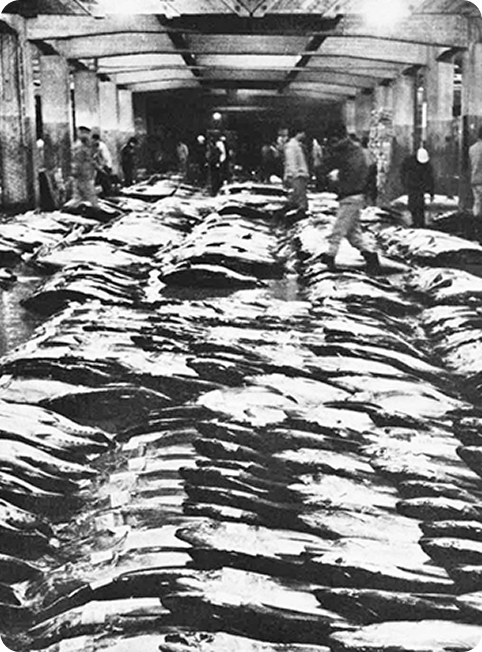
As Japan began to rebuild itself, society faced a number of drastic changes. Women played a more active role, diets were altered to suit the available resources, and new needs in the markets emerged.
Became the world's largest fishing company
Grew to a mega-corporation with over 600 vessels and more than 10,000 employees at sea. Conducted business overseas and widened business pursuits.
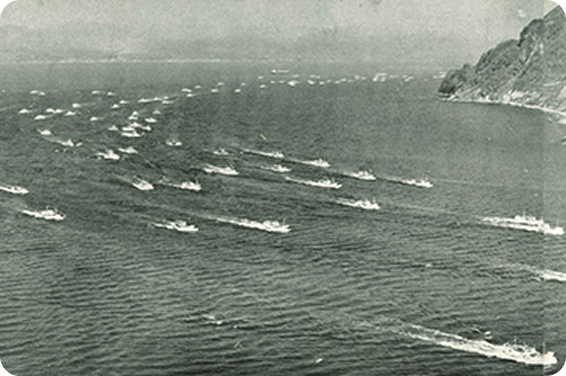
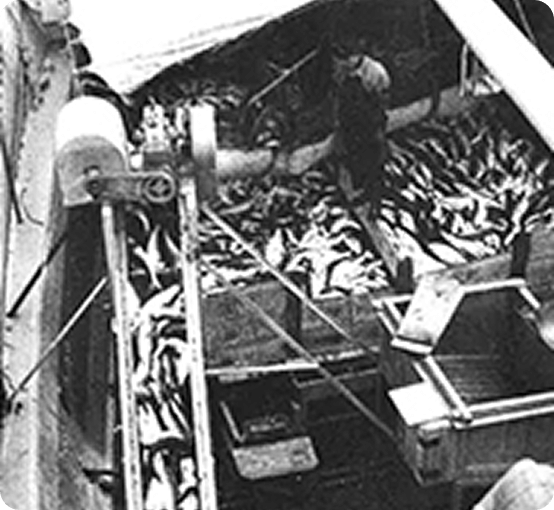
North Sea mothership salmon and trout fishing
The production and distribution of high-quality canned salmon was sold primarily to Great Britain. The distribution steadily expanded to include Europe, Australia, and the US.
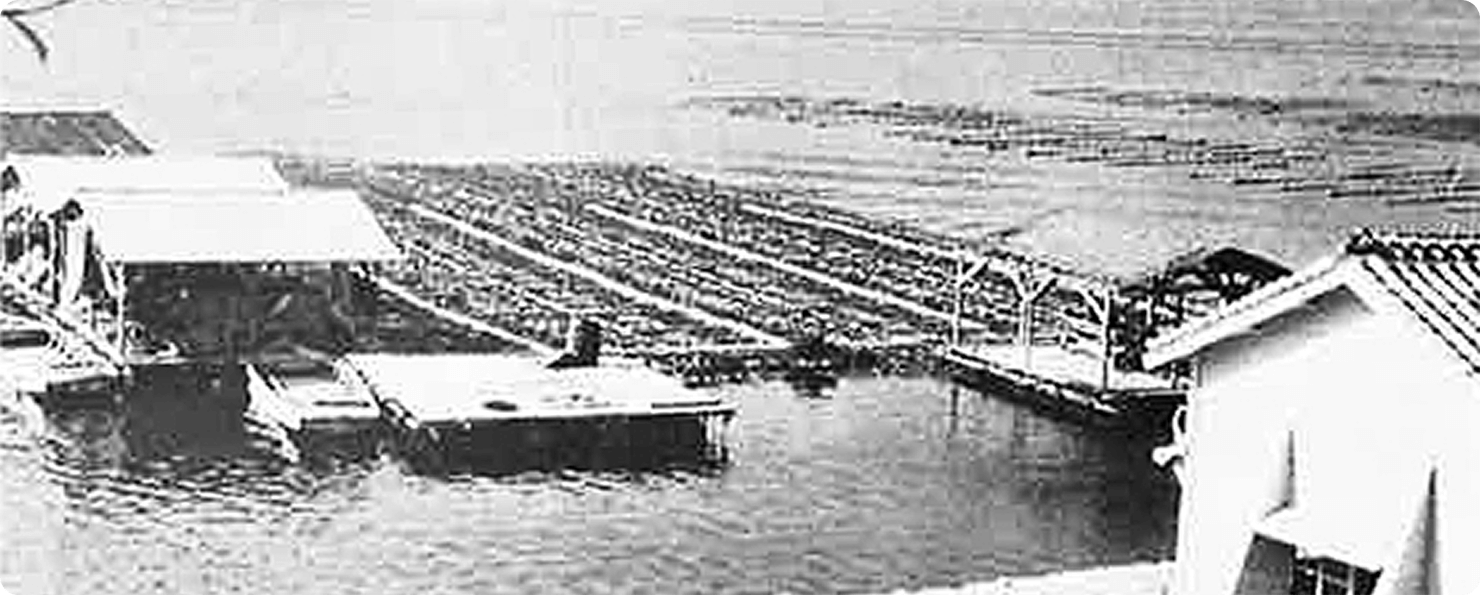
Joined the aquaculture business
Entered the highly profitable aquaculture industry, starting with the pearl business. During this period, exporting valuable pearls in exchange for foreign currency contributed significantly to limiting further food shortages in Japan at this time. From the mid-1950s, began farming fish, which is still practiced today, including the farming of young Japanese tiger prawns.
Started the production of fish sausages
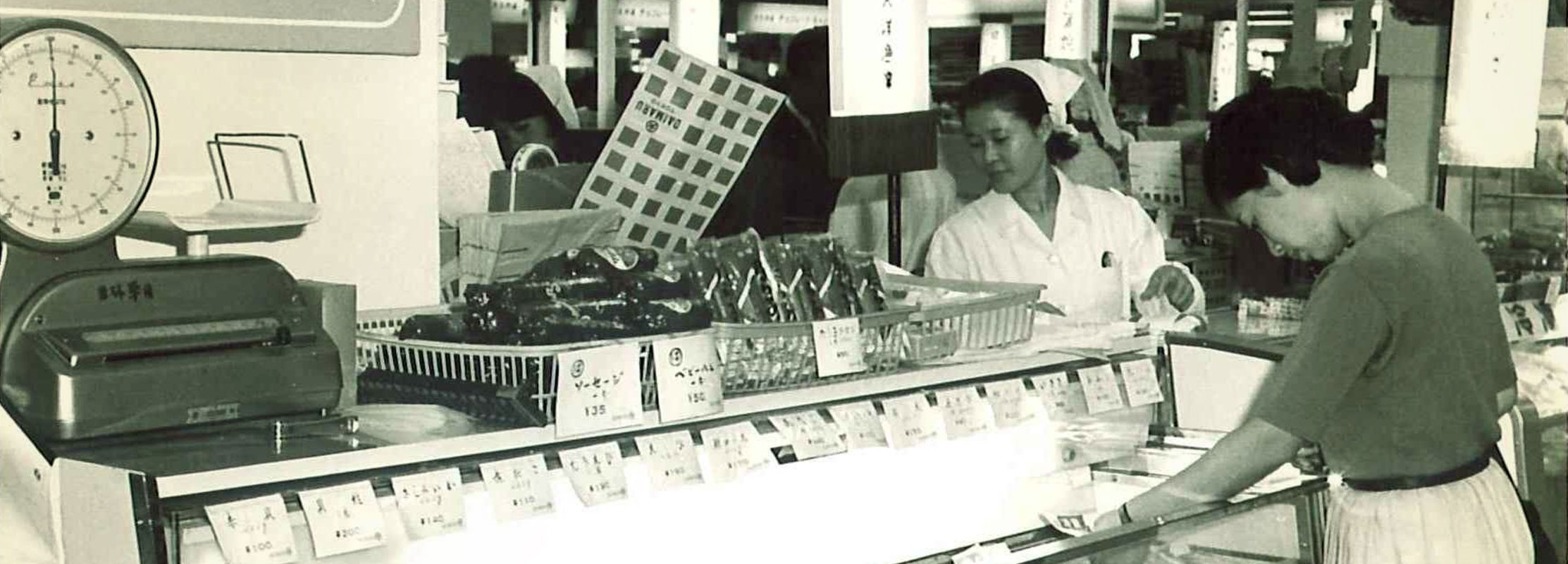
Began full-scale production and sales of fish sausages, a popular food in Japan. They are made of minced fish and were a valuable source of protein during this time. They have since become an enduring bestseller for over fifty years now.
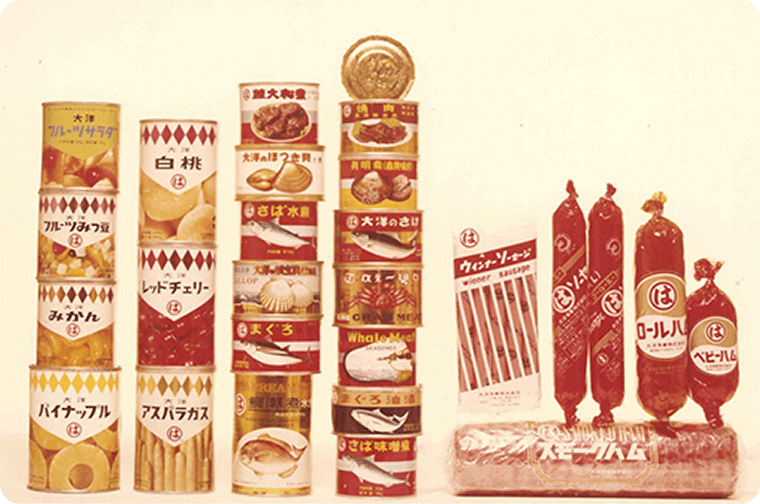
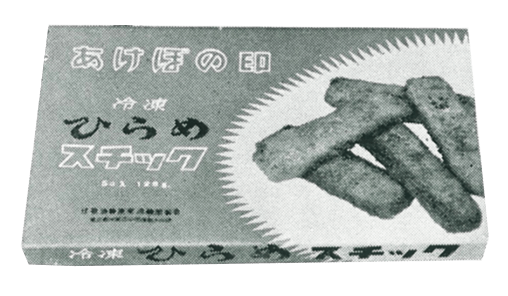
Released the company's first frozen food product, the Akebono Stick
Flagship product, the Akebono Stick, was released at a time when the development of frozen foods started to gain momentum. After frozen foods were used to feed athletes at the Tokyo Olympics in 1964, the demand for it for trade increased. It wasn't until around 1970, when fridge-freezers and microwaves were commom in a lot of homes, that the consumption of frozen food became widespread.
Entered the livestock and feed industry
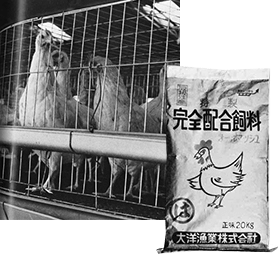
Launched a feed business with the aim of creating an integrated food company as part of its diversification policies. It started with processing the scraps produced in the canning factories to make feed. Alongside this, the Livestock Laboratories and a poultry farm were built.
*The company has now withdrawn from the poultry farm business.