

1880-1944
Formative years of modern fishing
A time when the fishing industry relied heavily on manual rowing boats to catch and transport fish.
The lack of any freezing technology meant that fish had a short shelf-life.
- 1880
- 1905
- 1906
- 1907
- 1910
- 1913
- 1923
- Next
Began brokering and transporting fresh fish as Taiyo Fishery Co., Ltd., which would later become Maruha.
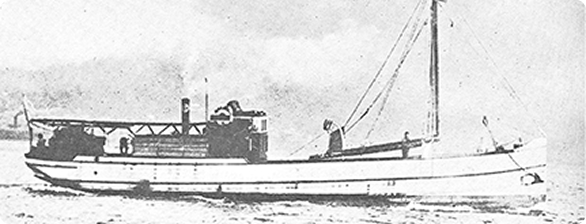
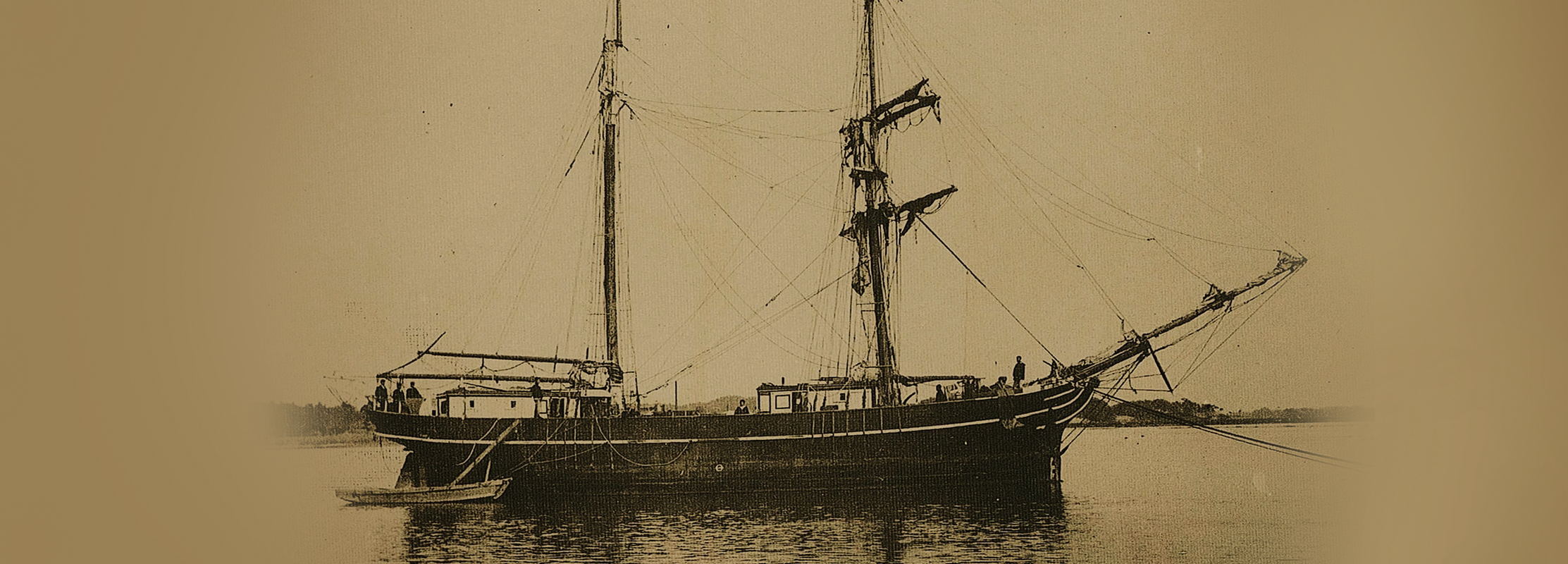
Launched Japan's first motorized fishing vessel, the Shinseimaru
The introduction of the revolutionary motorized Shinseimaru, ensured fresh fish was distributed and delivered to people promptly. Its motor could operate in all kinds of weather, something sail boats could not. This resulted in a stable supply of seafood and an increase in production. The boat took a lot of time and effort to produce, though. With only a handful of factories that could make the vessel's engine, it took two years from ordering the engine and hull, to test driving it with ministerial approval. Despite these hardships, Japan's first motor-driven carrier was finally launched, changing the fishing industry in the process.
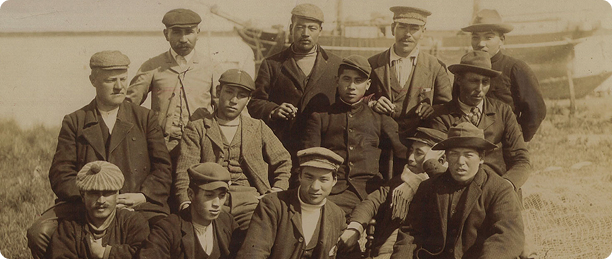
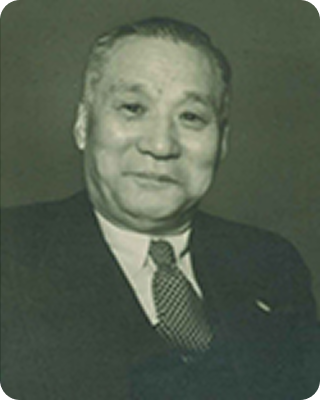
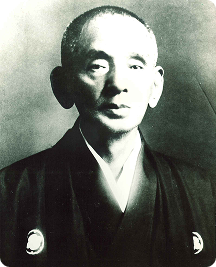
Established Tsutsumi Shokai, a milestone in the history of our company.
Nichiro founded the day two members of Tsutsumi Shokai set sail on the Houjumaru ship to start a salmon business in Russia.
Engaged in overseas business activities, including fishing along the coasts of Korea and in the North Sea.
Succeeded in the commercial production of canned salmon
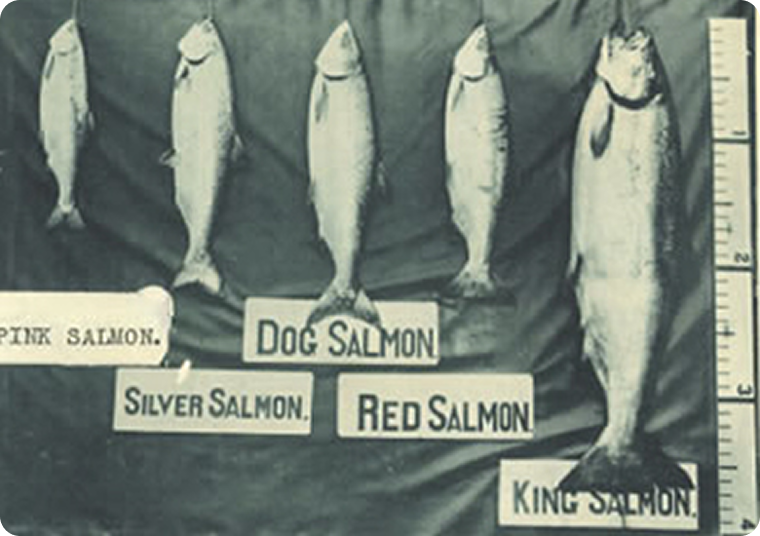
Began producing and selling canned salmon products like sockeye salmon, which was sold abroad, particularly to Great Britain. These canned products had a long shelf-life and could be transported overseas.
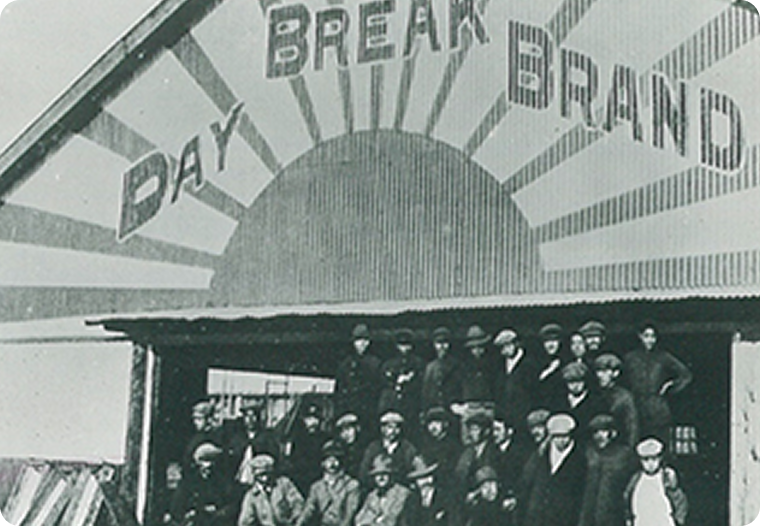
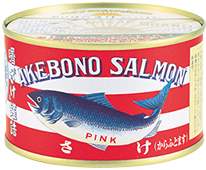
Mass produced hygienic cans and the Akebono Mark are introduced for the first time
Before the mass production of canned fish, canned foods were packed by hand, resulting in inconsistent quality. Consequently, foreign funds were used to introduce the latest machinery to mass produce seafood into hygienic cans for the first time. By combining the factory and good fishing grounds, operations expanded. Canned salmon, which was popular abroad, became synonymous with the Akebono Mark and its quality.
The Great Kanto Earthquake
Lifted morale with canned fish
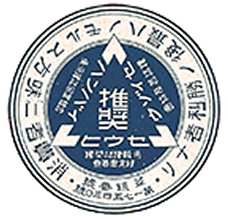
The canned salmon label at the time read "The one that stands by the consumer is the ultimate victor." After the devastating Great Kanto Earthquake in 1923, lots of canned fish were supplied to the victims as aid, which led to a rise in popularity of the food.
Increased the fishing of salmon in the North Sea by using a mothership, the most cutting-edge of its kind at the time.